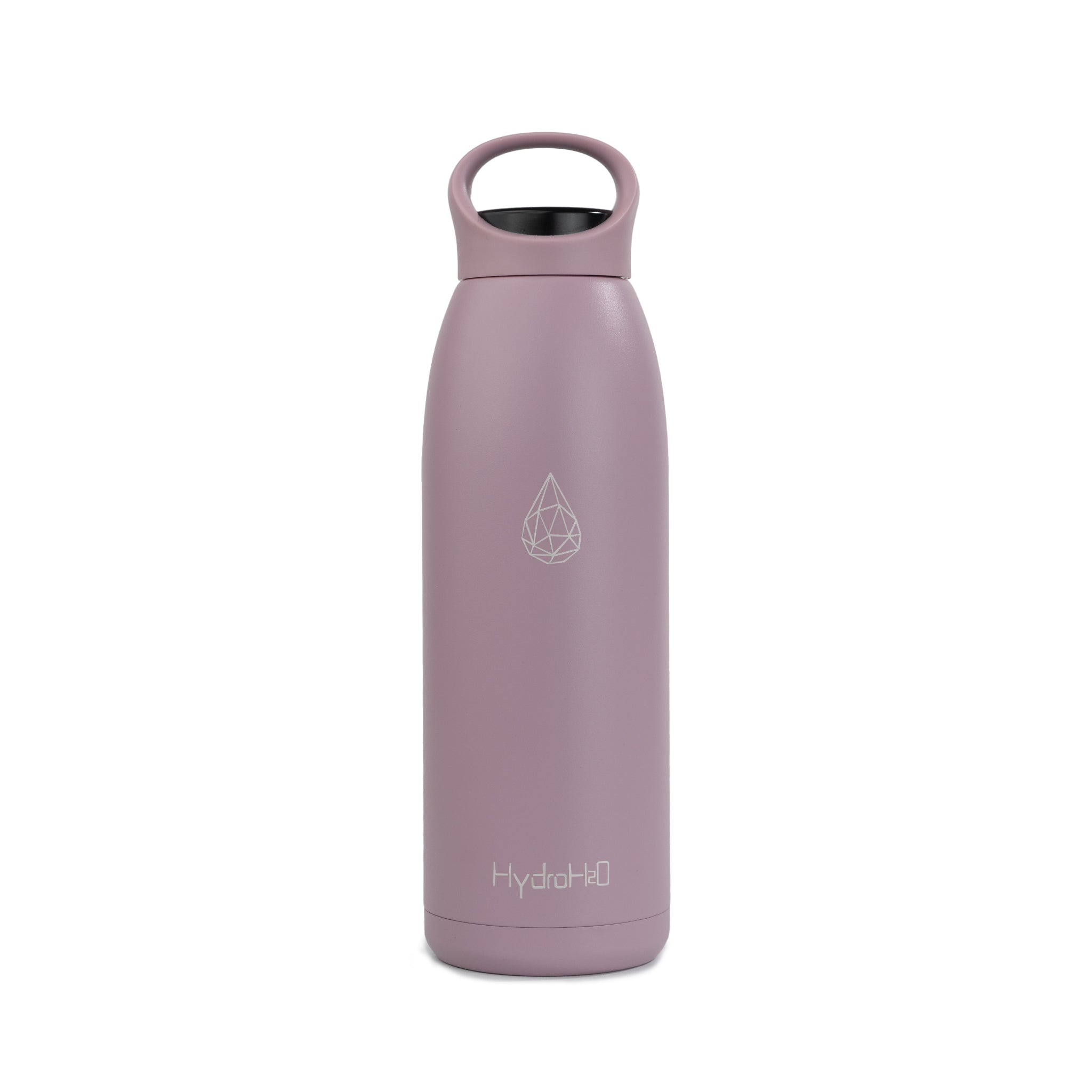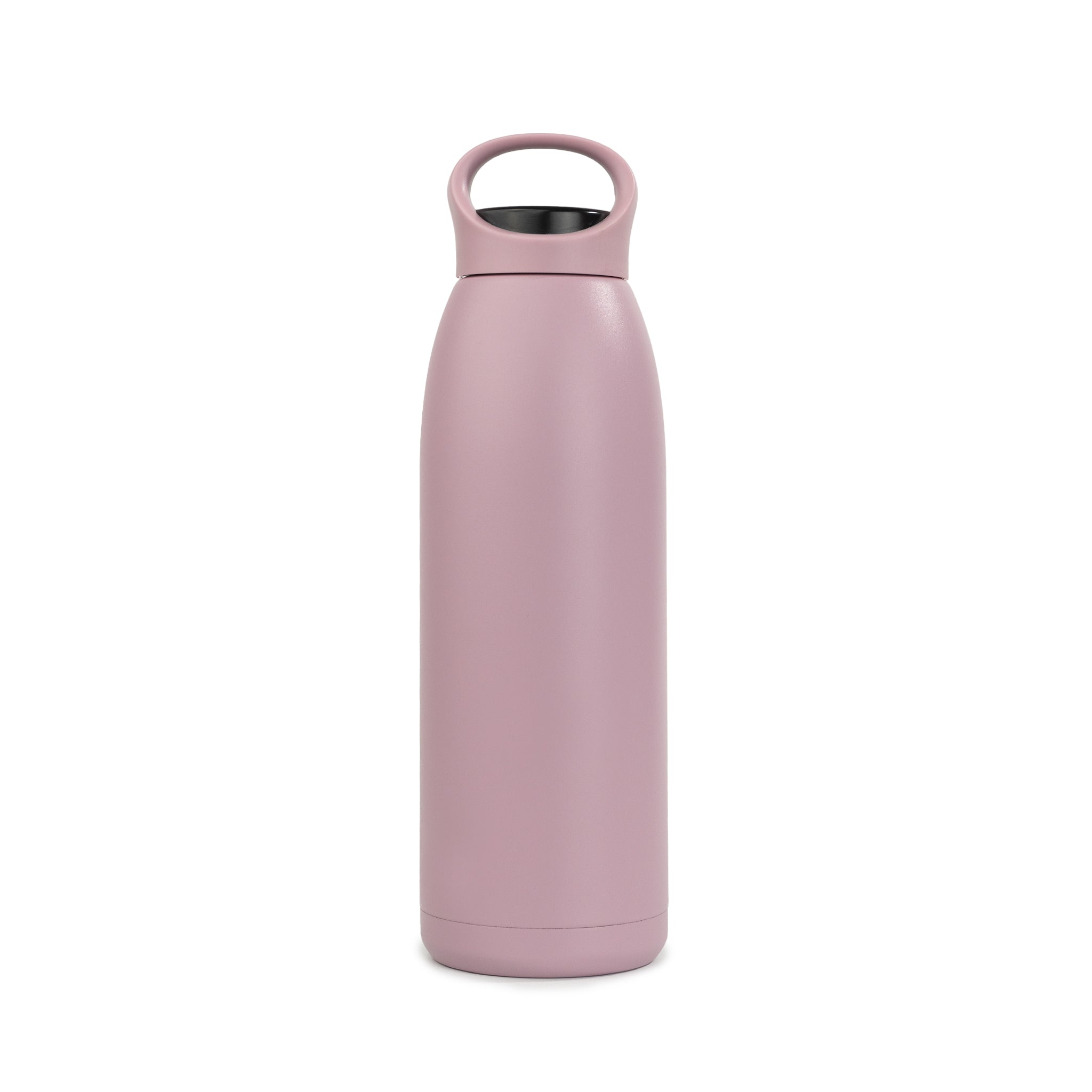

Updated September 2026: A good insulated water bottle can keep water cold through a workout, commute, workday, or weekend trip. The key is double-wall vacuum insulation, which slows the three ways heat moves: conduction, convection, and radiation.
How does vacuum insulation work?
An insulated stainless steel bottle has an inner wall and an outer wall with most of the air removed from the space between them. Because there are very few particles in that gap, heat has a much harder time moving from the warmer outside air into your cold drink.
Conduction
Conduction happens when heat moves through direct contact. Stainless steel is strong and durable, while the vacuum gap interrupts the path heat would normally follow into the bottle.
Convection
Convection transfers heat through moving air or liquid. Removing air between the walls greatly reduces this type of heat transfer.
Radiation
Heat can also travel as infrared radiation. Reflective metal surfaces inside an insulated bottle help reduce radiant heat transfer and protect the temperature of your drink.
Can a water bottle really stay cold for 48 hours?
Cold-retention claims depend on the bottle, starting water temperature, amount of ice, outside temperature, and how often the lid is opened. Many quality vacuum-insulated bottles keep drinks cold for up to 24 hours. With cold water, plenty of ice, and limited opening, ice can remain for up to 48 hours in favorable conditions.
What affects cold retention?
- Ice-to-water ratio: More ice gives the bottle a larger cold reserve.
- Starting temperature: Pre-chilled water stays cold longer than room-temperature water.
- Lid seal: A tight, leak-resistant lid reduces warm-air exchange.
- Bottle size: Larger bottles can hold more cold water and ice, but frequent opening still releases cold air.
- Environment: A bottle left in a hot car or direct sunlight warms faster.
How to keep water cold longer
- Pre-chill the bottle with ice water for five minutes.
- Fill it with cold water and add ice.
- Keep the lid closed between drinks.
- Store the bottle in shade and away from hot surfaces.
- Clean the lid and seal regularly so they close correctly.
Choose the right insulated bottle
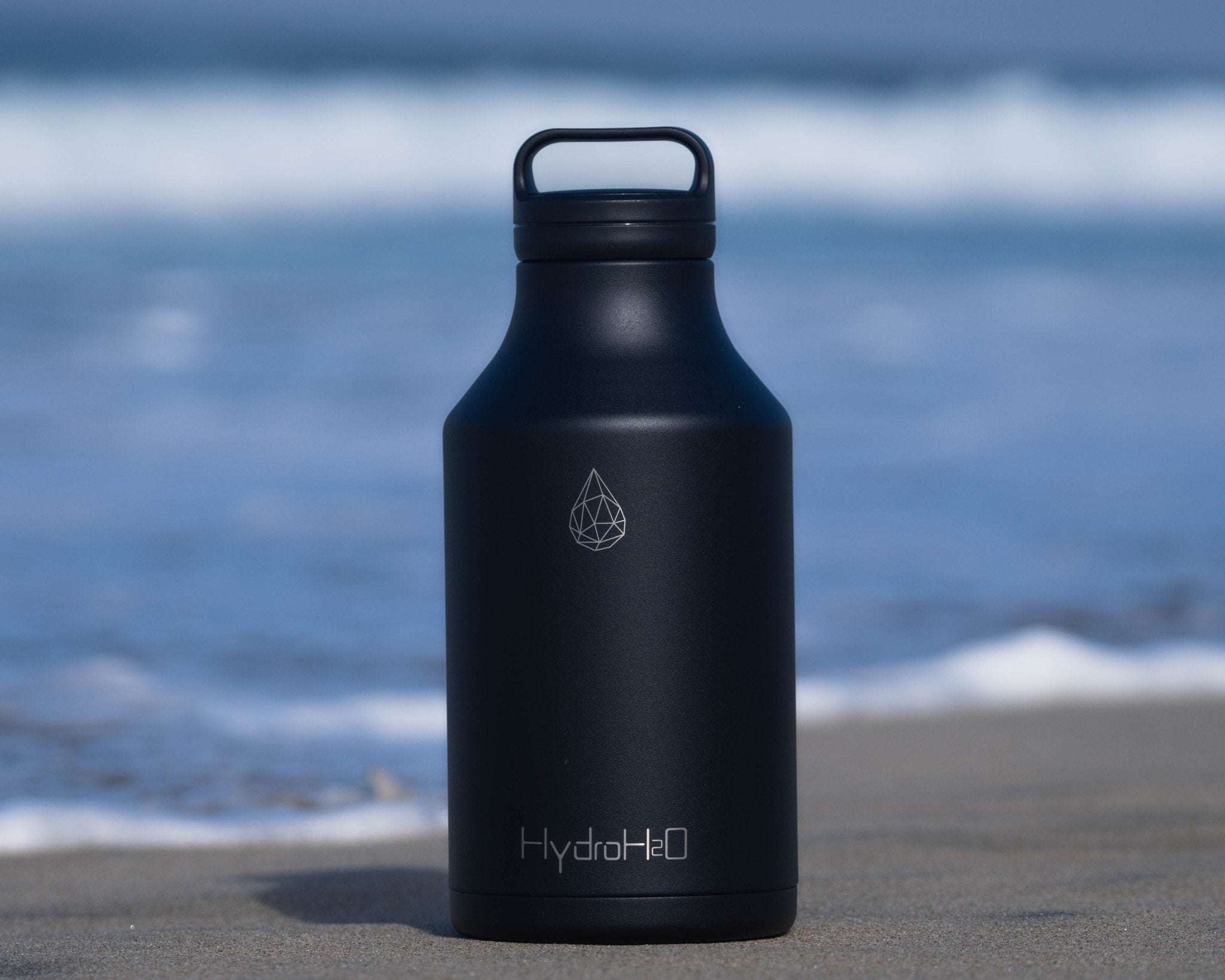
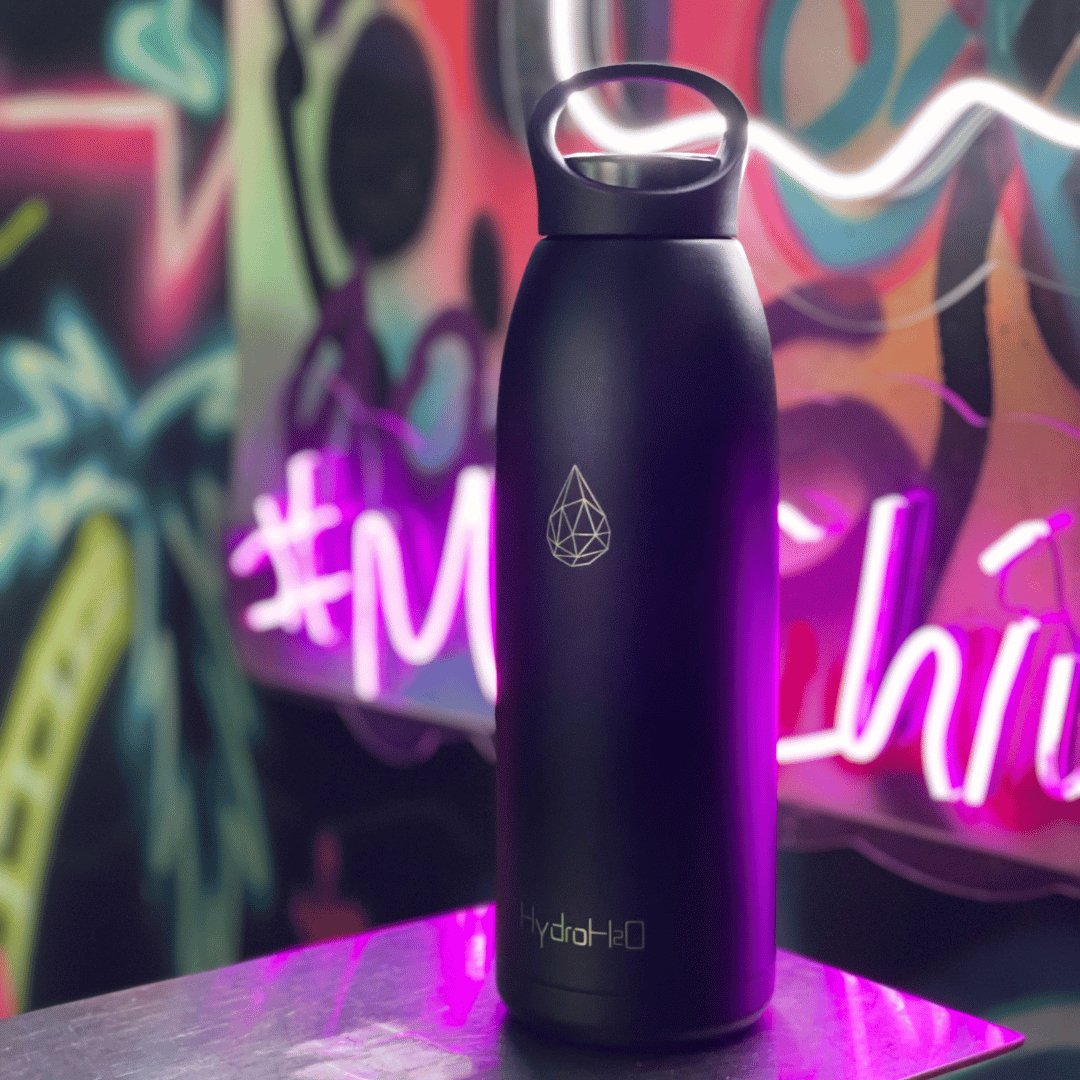
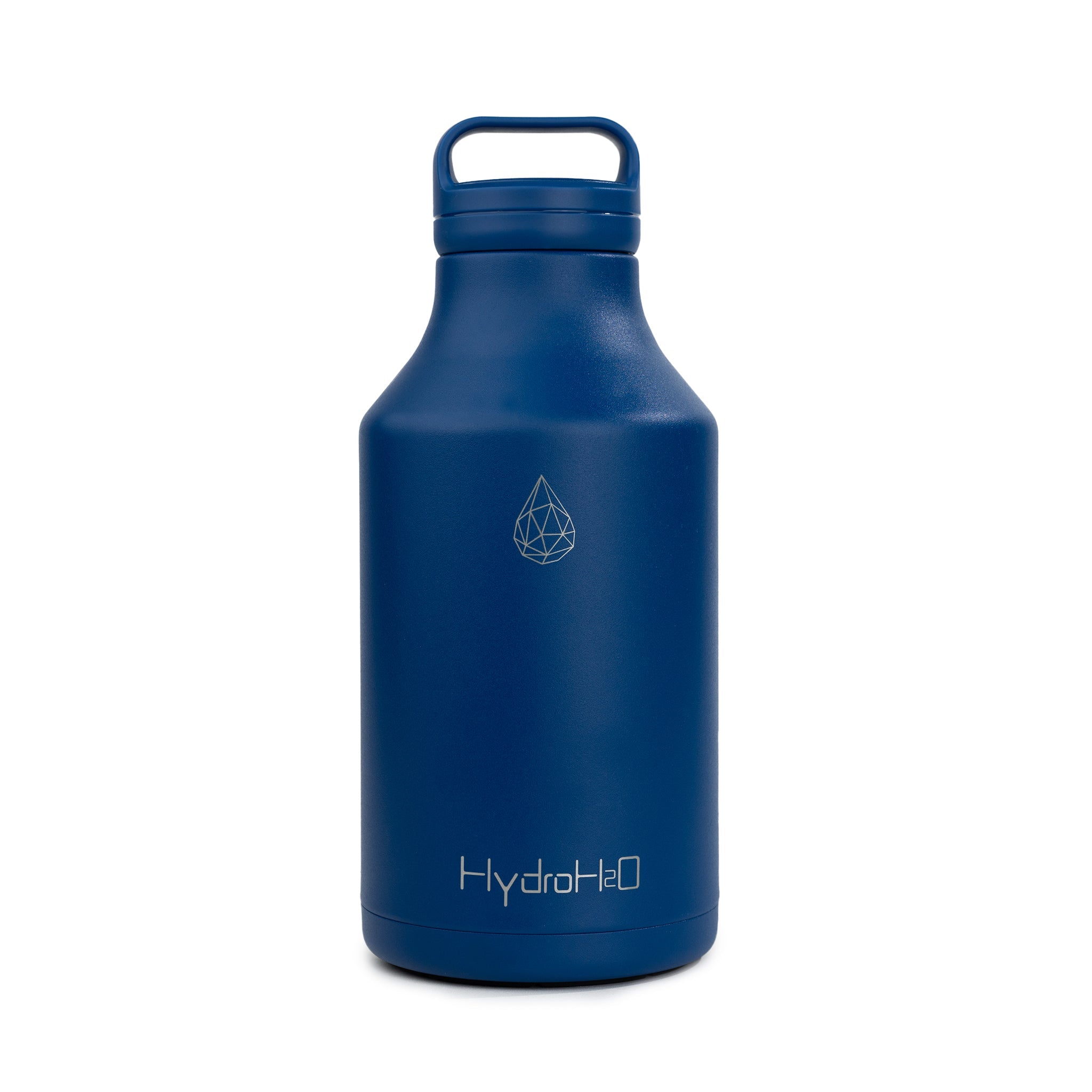
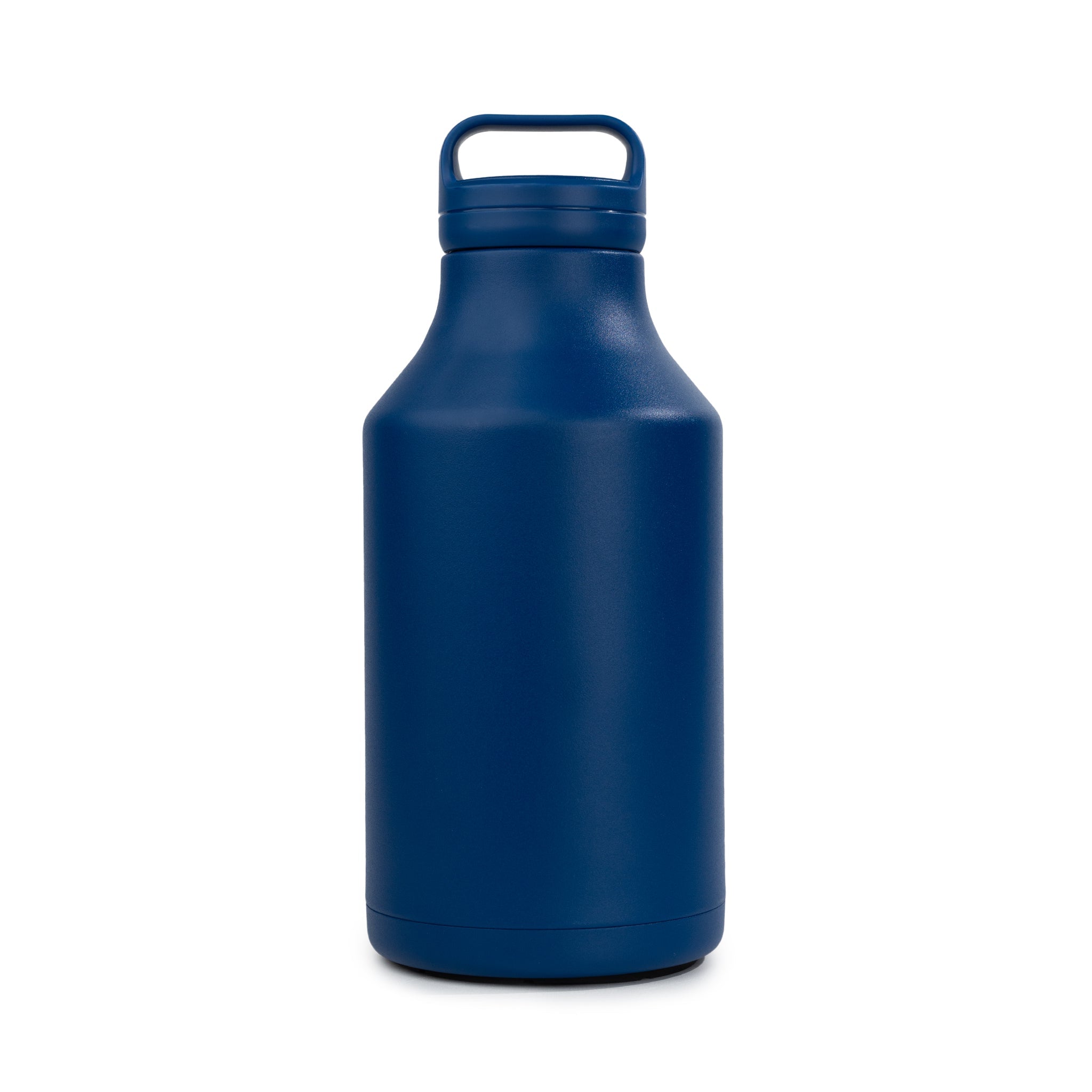
Look for food-grade stainless steel, double-wall vacuum insulation, a secure lid, a wide opening for ice and cleaning, and a size that fits your routine. For long workouts and full-day hydration, see the Gym Marathon 64 oz stainless steel water bottle or compare more options in our insulated water bottle collection.
Frequently asked questions
Why does the outside of my bottle feel warm?
If the exterior becomes as cold or hot as the drink, the vacuum seal may be damaged. Normal insulated bottles should resist condensation and major temperature transfer.
Does adding more ice help?
Yes. More ice increases cold retention, especially when both the bottle and water are pre-chilled.
Can insulated bottles hold hot drinks?
Many can, but always check the product instructions and use a lid designed for hot liquids. Never overfill, and open carefully to release pressure.
A well-made vacuum-insulated bottle cannot stop heat transfer forever, but it can slow it dramatically. Start cold, seal it tightly, and minimize opening for the best results.
What is a double wall vacuum insulated water bottle?
A double wall vacuum insulated water bottle is a type of water bottle that is designed to keep drinks cold for 48 hours and hot for 24 hours. It is made up of two layers of stainless steel with a vacuum-sealed space in between.
How does it work?
The double wall and vacuum-sealed design of these water bottles provide excellent insulation properties. The vacuum-sealed space between the two layers of stainless steel eliminates any air or gas molecules, which could transfer heat from the outside to the inside of the bottle.
Heat transfer occurs through three main mechanisms: conduction, convection, and radiation. The double wall and vacuum-sealed design of these bottles minimize all three mechanisms, resulting in superior insulation.
Conduction
Conduction is the transfer of heat through direct contact between two objects. In the case of a double wall vacuum insulated water bottle, the stainless steel layers act as barriers to prevent heat from transferring into or out of the bottle.
Convection
Convection is the transfer of heat through the movement of fluids or gases. The vacuum-sealed space in the bottle eliminates any air or gas molecules, which could carry heat through convection. Without air or gas, there is no medium for heat transfer.
Radiation
Radiation is the transfer of heat through electromagnetic waves. The reflective properties of the stainless steel layers help to minimize radiation heat transfer. The shiny surface of the stainless steel reflects the heat back into the bottle, keeping the contents at the desired temperature.
Additional features
Double wall vacuum insulated water bottles often come with additional features to enhance their insulation capabilities. These features may include airtight lids, silicone seals, and copper lining. The airtight lids and silicone seals prevent any air from entering or escaping the bottle, while the copper lining provides additional insulation.
Conclusion
Double wall vacuum insulated water bottles are a great choice for keeping drinks cold for 48 hours and hot for 24 hours. Their double wall and vacuum-sealed design minimize heat transfer through conduction, convection, and radiation. With their superior insulation properties, these bottles are perfect for staying hydrated on the go.